Africa as the Explorers Found It
Now part of Nyerere National Park, the Selous is vast, wild, and a UNESCO World Heritage Site. It is one of the few places in Africa where you can do several types of safaris. You can take a boat safari on the Rufiji River. You can also go on a classic 4×4 game drive. You can take a walking safari through the untouched bush.
50,000 km²
June to October
3 days recommended
Tanzania's mightiest river
“Ready to experience Selous Game Reserve? Let’s start planning your safari.”
The Selous is Africa’s largest game reserve and a UNESCO World Heritage Site of staggering proportions. At 50,000 square kilometers, it is three times the size of the Serengeti yet it receives a fraction of the visitors. Here, the Rufiji River creates a water wonderland where boat safaris glide past hippos and crocodiles, while the vast interior holds some of the continent’s last true wilderness.
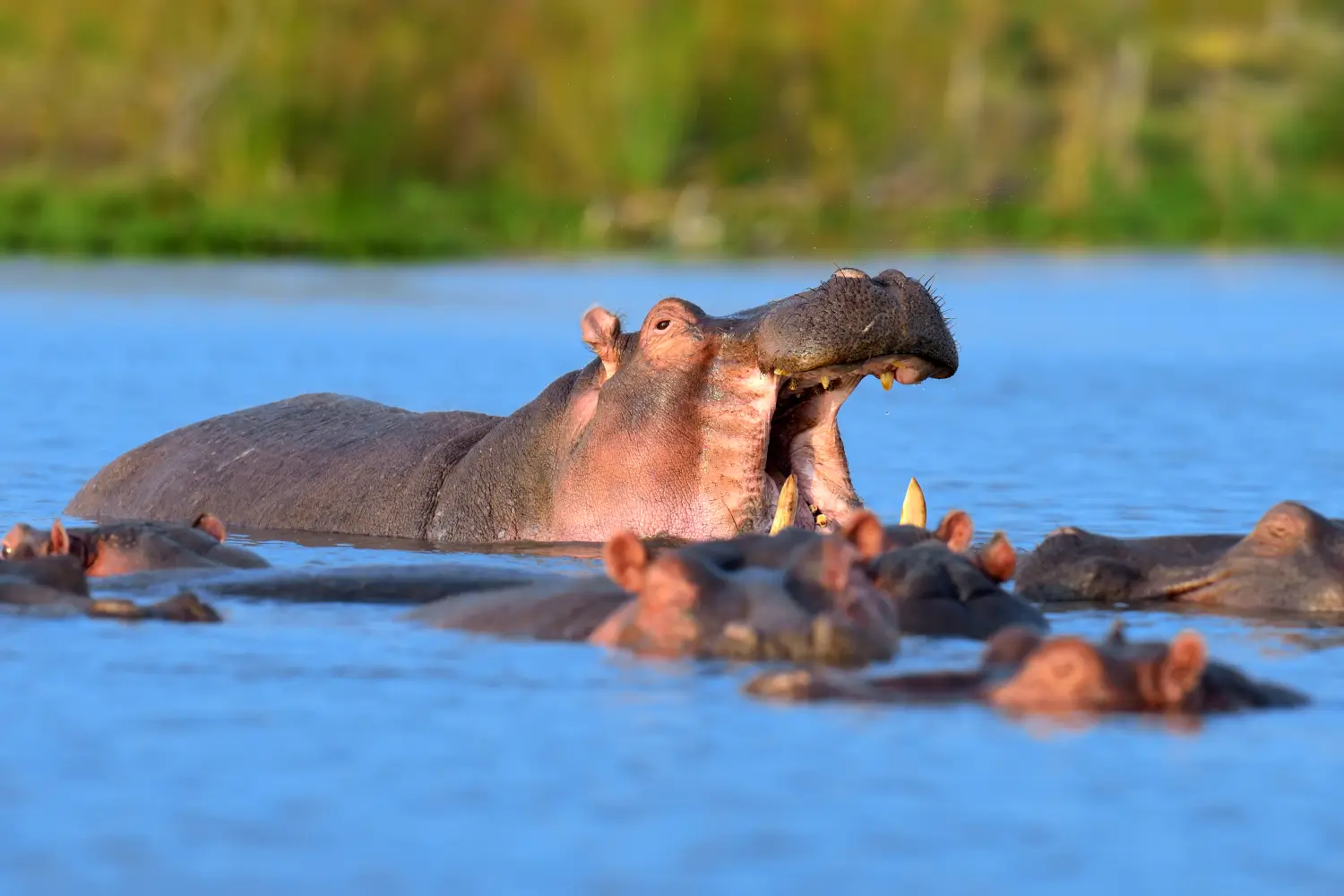
A serene cruise past hippo pods, crocodiles, and elephants drinking at the water’s edge.
Track wildlife on foot one of the best places in Africa for bush walks.
A night under mosquito nets in the bush pure wilderness adventure.
June to October is best; the camps close during the long rains (April–May). Our team will match your travel dates with the right park combination. Talk to us about timing your safari for migration, calving, or low-season pricing.
These are starting points; every itinerary we create is customized around your travel dates, budget, and the experiences that matter most to you.
Fly from Dar es Salaam. Combine boat safaris, walking, and game drives along the Rufiji. The perfect introduction to the reserve.
Add a fly-camping night in the remote bush, a fly-fishing session on the Rufiji, and a deeper exploration of the lake system.
Selous + Ruaha — two very different southern wilderness parks that combine into one of Tanzania’s most authentic and least-travelled safari circuits.
Let our local experts plan every detail of your journey.