
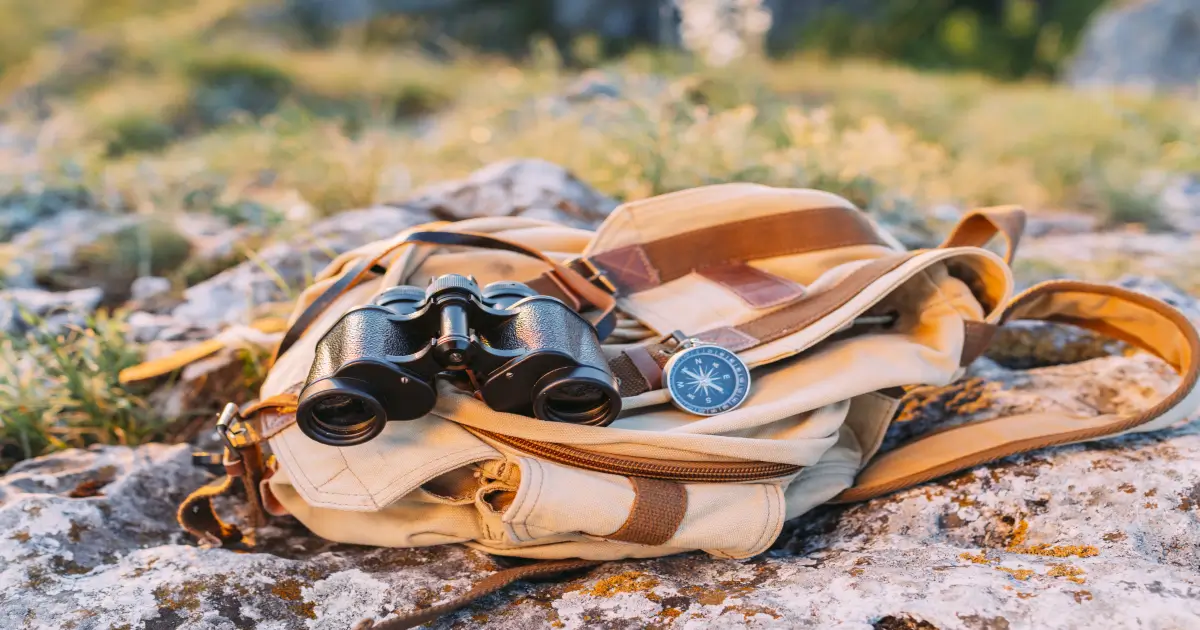
Most people pack for a safari the way they’d pack for a beach holiday, and they regret it on day one. The Masai Mara at 7 am is cold enough to make your fingers ache. By 11 am, that same savannah is blazing. Then the afternoon game drive kicks off, and dust is getting into everything. Packing for Kenya isn’t complicated, but it’s very specific, and most online guides either miss the nuances or bury them in fluff.
I’ve been guiding safaris in Kenya for over 12 years, and I’ve watched guests arrive with rollerboards, cocktail dresses, and perfume that could spook a cheetah from 50 meters away. This guide is what I wish every guest had read before arriving at Skynile’s vehicle. Let’s fix that.
Why Your Packing List Matters More Than You Think
It’s not just comfort; your packing choices affect the entire experience. Bright clothing startles animals. Heavy luggage slows bush camps. Fragrant products attract insects. And a dead camera battery at the moment a leopard crosses your path? That’s a pain that doesn’t fade quickly.
Most light aircraft and bush transfers in Kenya have strict 15 kg (33 lb) soft bag limits. Hard-shell suitcases don’t fit in overhead compartments on Cessnas. This is non-negotiable, and it shapes everything below.
“The guests who enjoy Kenya the most are almost always the lightest packers. Freedom of movement is freedom of experience.” — Mickie Mwakadi, Lead Guide, Skynile Adventure Tours (15+ years of Kenya experience)
Clothing: The 3-Layer Rule
Think of the savannah in three temperature zones across a single day: Cold dawn, hot midday, cool dusk. Your wardrobe needs to handle all three without taking up your entire bag.
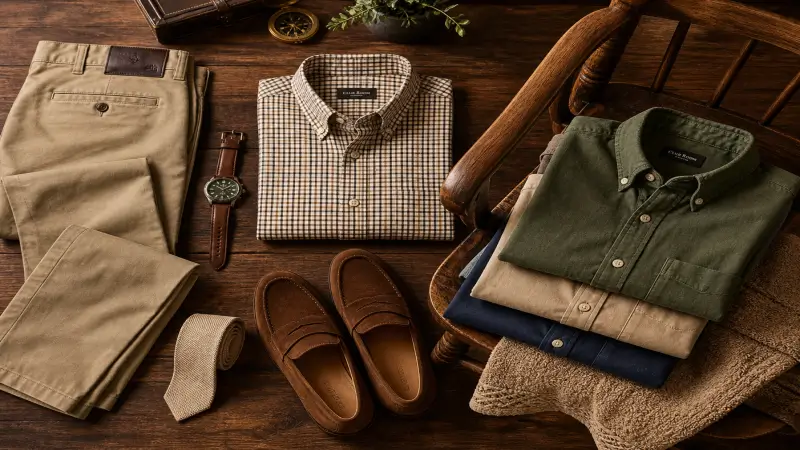
Lightweight, moisture-wicking shirts in neutral tones (khaki, olive, tan, stone). Avoid white — it shows dust in minutes. Avoid black and dark navy; they absorb heat and are harder for animals to ignore. Aim for 3–4 tops. Layer 2 — Mid Layer
A light fleece or zip-up sweatshirt. Mornings in the Mara or on the slopes of Amboseli can hit 10–14°C. Something you can stuff in the seatback pocket when the sun rises.
Layer 3 — Outer Shell
A packable windbreaker or light rain jacket. Kenya’s short rains (October–December) come and go quickly. You don’t need heavy rain gear; you need quick-dry gear.
Pack 2 pairs of lightweight trousers (convertible zip-offs are perfect), 1 pair of shorts for camp evenings, and underwear in quick-dry synthetics. That’s genuinely all you need for 7–10 days.
Camera & Tech Gear
This is where priorities shift. If you’re serious about wildlife photography, your camera bag might be the heaviest thing you carry, and that’s completely fine. A few essentials:
Lens length matters. In open vehicles, you need at least 300mm to get meaningful wildlife shots. A 100–400 mm zoom is the sweet spot for most travelers. Bring a beanbag instead of a tripod; it’s lighter and works perfectly resting on a Land Cruiser’s open roof.
Pack extra batteries (cold mornings drain them fast), a dust-proof camera bag, and a power bank for your phone. Most camps have sockets, but power cuts happen. National Geographic’s safari photography guide has excellent technical advice for beginners.
Health, Sun & Bug Protection
Kenya sits on the equator. The sun doesn’t play games. SPF 50+ sunscreen, a wide-brim hat (not a baseball cap — it won’t protect your neck), UV-protection sunglasses, and lip balm with SPF are non-negotiables. Reapply after every game drive.
For malaria prevention, consult your doctor at least 6 weeks before travel, as antimalarials need time to build up in your system. DEET-based insect repellent (at least 30–50% concentration) is your field companion. Avoid floral or fruity-scented body products entirely while on game drives.
Pack a small medical kit: antihistamines, rehydration sachets, plasters, antiseptic wipes, and any prescription medication in your carry-on, never in checked luggage. The WHO’s malaria fact sheet is worth reading before you travel.
Footwear That Won’t Let You Down
The formula is three pairs: walking sandals for camp (Tevas or Chacos), lightweight trail runners for bush walks, and one warm pair of camp socks. Avoid new boots; break everything in before you arrive. Blisters on a game walk are nobody’s highlight.
Documents & Money
Kenya now requires an eTA (electronic travel authorization). Apply online at least 2 weeks before departure. It costs USD $32.50 for a single entry. Carry photocopies of your passport separately from the original. US dollars are widely accepted for park fees and tips; carry small denominations. Your safari guide typically receives USD $10–20 per person per day — it’s customary, appreciated, and deserved.
The “Leave It Home” List
Hard-shell suitcases. Perfume and heavily scented products. Bright colors (red, orange, hot pink). Drones require special permits and scare wildlife. Camouflage clothing (restricted in some national parks). High heels. More than 3 books (you won’t read them; the bush has a way of commanding your full attention).
Skynile’s Quick-Reference Packing Checklist
Ready to Pack for the Real Africa?
Let Skynile Adventure Tours handle the logistics while you focus on what to pack. We design custom Kenya safaris that fit your pace, your interests, and your budget.