
Introduction
Everyone will tell you, “Go to Kenya in July.” And they’re not wrong. But they’re also not telling you the full story. Kenya is a year-round destination, and depending on what you’re there for- the migration, the bird life, the price, and the crowds- the “best” month shifts considerably.
Amina Ochieng has been planning Kenya safaris for Skynile clients for nine years. Here’s her honest, month-by-month breakdown.
Kenya’s Two Dry Seasons Explained
Kenya has a tropical climate with two distinct rainy seasons and two dry windows. The long dry season runs from late June to October. The short dry season runs from January to early March. Between them, you get two rainy periods: the long rains (April–June) and the short rains (November–December).
Wildlife doesn’t disappear during the rains. It disperses. Animals spread across a wider area because water is everywhere, which can actually mean more intimate sightings and far fewer vehicles at any given location.
Peak Season (Jul–Oct): Great Migration, peak wildlife density, highest prices, most crowds.
Shoulder (Jan–Mar): Great calving season in Serengeti, Amboseli excellent, fewer tourists.
Low Season (Apr–Jun): Lush green, best photography light, 30–40% cheaper, thin crowds.
Short Rains (Nov–Dec): Brief showers, migratory birds arrive, still good game viewing.
Month-by-Month Breakdown
January – February: Short Dry SeasonThese are genuinely brilliant months that most people overlook. The short rains have passed, leaving the landscape vivid green but not flooded. Amboseli is at its best when elephant herds graze on lush flats with Kilimanjaro rising unobstructed behind them. The light is extraordinary for photography. Prices are lower than peak season, and the major parks feel calm. Wildlife viewing is excellent everywhere except the Mara, where the migration herds are still in Tanzania’s Serengeti. Recommended for: Amboseli, Samburu, Tsavo East. March: Transition Month
The long rains begin to build toward the end of March. Some years, they arrive early. Wildlife is still concentrated, roads are passable, and this is one of the last affordable windows before peak-season bookings drive up prices. Skynile’s March itineraries are particularly popular with families avoiding school-holiday prices.

This is Kenya’s most misunderstood season. Yes, there’s rain, but it typically comes in afternoon showers, not all-day downpours. Mornings are often clear and perfect for game drives. The bush is vivid green, dramatic, and genuinely beautiful. Bird life explodes. Prices drop 30–40%. The crowds thin to almost nothing. If you’re a serious photographer or birder, April–May is quietly the best time to visit. Roads can get muddy in some parks, but Skynile’s 4×4 vehicles handle it without issue. June: Transition Into Peak Season
The rains taper off. Grass begins to dry. Animals start concentrating. June is a sweet spot; wildlife is building towards its best visibility, prices haven’t yet hit their peak, and the crowds haven’t fully arrived. Bookings at premium Mara camps start filling in June. Contact Skynile by February if you’re considering a June trip. July – October: Peak Season (The Migration Months)
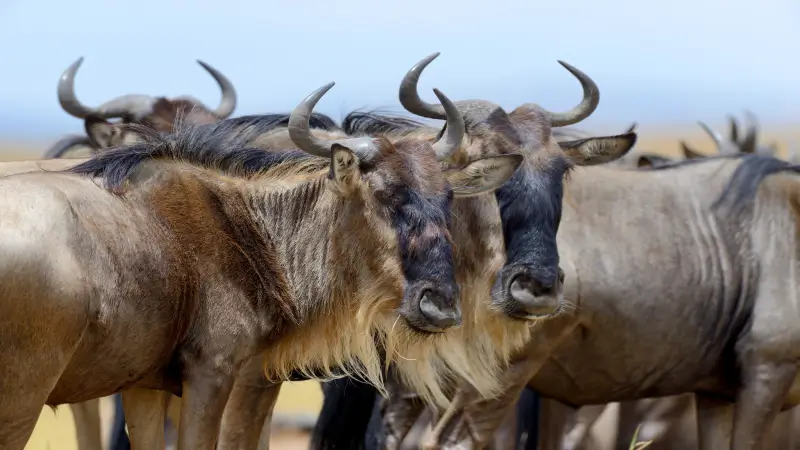
The dry season is here in full force. Grass is short. Animals cluster around permanent water sources. The Masai Mara fills with wildebeest between July and October as over 1.5 million animals cross from Tanzania’s Serengeti. The famous Mara River crossings — where herds plunge through crocodile-filled waters — happen most dramatically between August and September. This is unquestionably Kenya’s most iconic wildlife experience, and for good reason. Expect peak prices and more vehicles at sightings. Plan and book early — camps fill 8–12 months in advance for August. “August and September in the Mara are unlike anything else on earth. But don’t let the hype scare you away from a February Amboseli trip that can be equally life-changing with the right guide.”
— Halima, Managing Director, Skynile Adventure Tours July – October: Peak Season (The Migration Months)
The dry season is here in full force. Grass is short. Animals cluster around permanent water sources. The Masai Mara fills with wildebeest between July and October as over 1.5 million animals cross from Tanzania’s Serengeti. The famous Mara River crossings — where herds plunge through crocodile-filled waters — happen most dramatically between August and September. This is unquestionably Kenya’s most iconic wildlife experience, and for good reason. Expect peak prices and more vehicles at sightings. Plan and book early — camps fill 8–12 months in advance for August.
When to See the Great Migration
The migration follows a rough annual cycle, but nature doesn’t read calendars. In broad strokes, the herds calve in Tanzania’s Serengeti between January and March, then move north through Tanzania, crossing into Kenya’s Masai Mara between July and October, before heading south again in November. The iconic Mara River crossings peak in August–September. The Masai Mara official site has live migration tracking tools updated by guides on the ground.

Rainy Season – The Case For Going Anyway
Long rains don’t mean ruined safaris. They mean cheaper camps, empty roads, dramatic storm-light photography, and wildlife behavior you simply don’t see when 40 vehicles are sharing a sighting. Baby animals are born in the green season, which means predator activity is also high, as lions and cheetahs take advantage of the young and distracted. If you’re flexible on timing, April–June and November offer extraordinary value. Our green season packages include lodge upgrades that peak season budgets can’t touch.
Peak vs. Shoulder vs. Low-Season Costs
As a rough guide, a mid-range safari in peak season (July–October) might cost USD $400–650 per person per day. In shoulder season (January–March, June), expect USD $280–$450. Green season (April–May) often brings USD $200–350 all-in at the same properties. These figures vary significantly by camp category. Skynile’s pricing guide gives real numbers by park and lodge type.
Which Park Is Best When?
Masai Mara: Peak Jul–Oct for migration; good year-round for big cats. Amboseli: Jan–Feb and Jun–Oct for the clearest Kilimanjaro views. Samburu: Jan–Feb and Jun–Sep for unique northern species. Tsavo East/West: Jul–Oct for concentrated wildlife; accessible year-round via tarmac from Mombasa. Lake Nakuru: Year-round for flamingos; rhino sightings are strongest in the dry season.
