Introduction
This is one of the questions Skynile guides get most often, usually from first-time Kenya visitors staring at a map and trying to figure out where to spend their limited days. The short answer is they’re not rivals. They’re two completely different arguments for why Africa is extraordinary. But if you only have time for one, you need to make the right call.
The Quick Answer
Choose Masai Mara if: You want predator action, the Big Five, dramatic open plains, and you’re visiting July–October (especially for the Great Migration). Choose Amboseli if you want close, intimate elephant encounters, iconic Kilimanjaro backdrops, and more peaceful, photogenic landscapes. Go to both if you have 8+ days.
Masai Mara: What You Actually Get
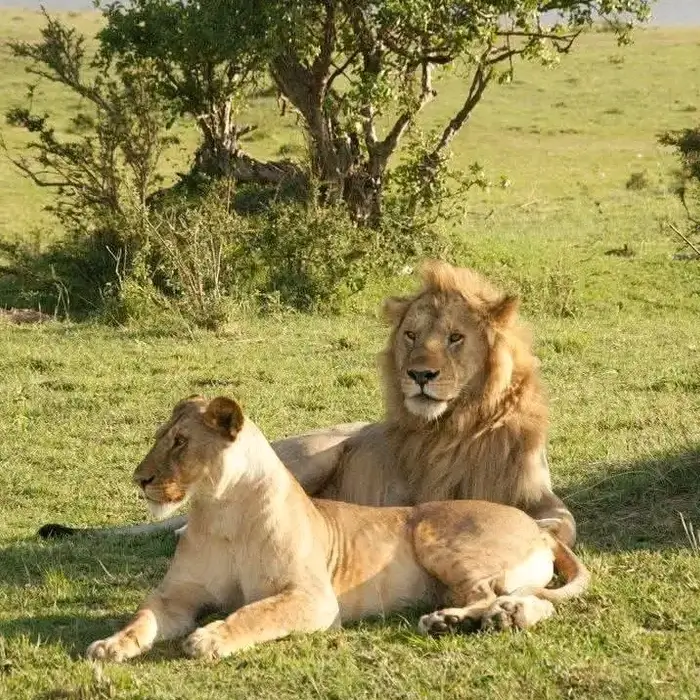
The Masai Mara is 1,510 square kilometers of open savannah in Kenya’s southwest, bordering Tanzania’s Serengeti. It is the most famous safari destination in Africa for a reason: the density of wildlife here, particularly in the dry season, is extraordinary. Lions are arguably the Mara’s signature. The park has one of Africa’s highest concentrations of big cats, and it’s not unusual to see multiple prides in a single morning drive.
The Mara is flat, open, and cinematic. Vast horizons. Dramatic skies. Acacia clusters. During migration season, the noise of a million wildebeest is something that rewires your senses permanently. This is a high-intensity experience in the best possible sense.
Amboseli: What You Actually Get
Amboseli is smaller, about 392 square kilometers, and quieter, with a completely different personality. Its defining feature is the backdrop: Mount Kilimanjaro, Africa’s highest peak, rising 5,895 metres directly behind the park’s open plains. On a clear morning (best January–March and June–October), the mountain is so close and so dramatic that photographs feel impossible to have actually taken yourself.
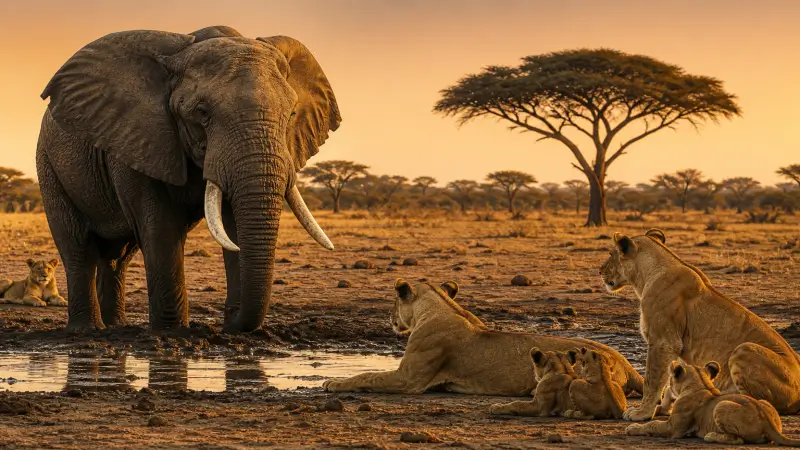
Amboseli’s elephants are the real showpiece. The park is home to some of Africa’s most studied elephant families. You’ll see bulls with tusks that scrape the ground, matriarchs leading multigenerational herds, and calves so young they haven’t figured out what their trunk is for yet. It’s tender. Quieter. More meditative.
—James Waweru, Lead Guide, Skynile Adventure Tours
Wildlife Comparison Head-to-Head
Lions: Mara wins decisively. Multiple prides, frequent sightings, open terrain for viewing. Amboseli has lions, but sightings are less frequent. Elephants: Amboseli wins decisively. Larger herds, closer encounters, better study-quality sightings. Leopards: Both parks have leopards; both require luck. Mara slightly edges it. Cheetahs: Mara, without question, the open plains suit their hunting style. Rhino: Neither is ideal; head to Lake Nakuru or Ol Pejeta for rhinos. Birds: Both are exceptional; Amboseli edges slightly for waterfowl. Kilimanjaro views: In Amboseli, this is a one-of-a-kind experience.
Accessibility & Logistics
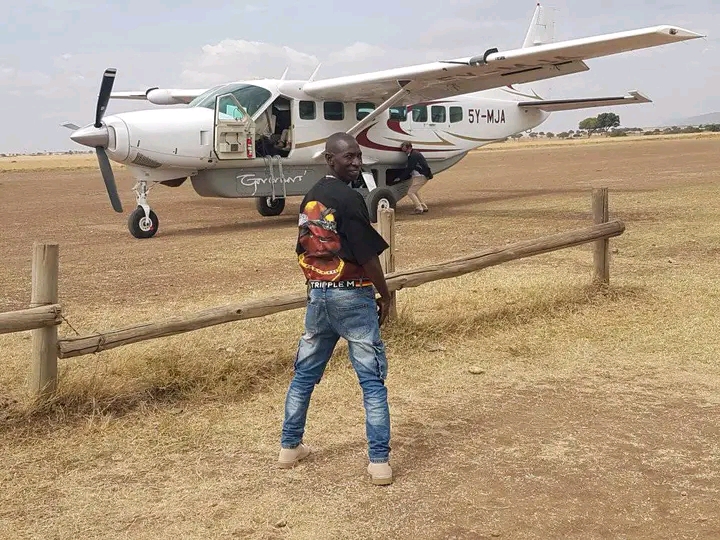
Both parks are accessible by scheduled light aircraft from Nairobi’s Wilson Airport (approximately 45–55 minutes each). By road, the Masai Mara is roughly 5–6 hours from Nairobi; Amboseli is 4–5 hours and connects well with the Mombasa coast via Tsavo. Skynile’s combination itineraries typically fly into the Mara and drive out through Amboseli toward the coast — you cover the best of all worlds in one logical loop.
Budget Comparison
The Masai Mara commands higher prices, particularly in peak season. A mid-range camp runs USD $350–600 per person per night all-inclusive. Amboseli is generally 20–30% more affordable at comparable quality levels. Both parks have a wide range of options from budget camping to ultra-luxury tented camps. Kenya Wildlife Service manages both parks and publishes official entry fee structures.
Peak vs. Shoulder vs. Low-Season Costs
As a rough guide, a mid-range safari in peak season (July–October) might cost USD $400–650 per person per day. In shoulder season (January–March, June), expect USD $280–$450. Green season (April–May) often brings USD $200–350 all-in at the same properties. These figures vary significantly by camp category. Skynile’s pricing guide gives real numbers by park and lodge type.
Can You Do Both?
Yes, and this is Skynile’s most popular itinerary structure. 3 nights in the Masai Mara, then 2 nights in Amboseli, finishing with 3 nights on the coast. It’s an 8-day trip that covers Kenya’s absolute highlights without feeling rushed. The Lonely Planet Kenya guide suggests a similar loop for good reason — it just works. See our 8-day Mara–Amboseli–Coast package for a sample itinerary