Built in 1593 by the Portuguese to control the spice trade, Fort Jesus is a UNESCO World Heritage Site and Mombasa’s most famous landmark, with five centuries of African, Arab, Portuguese, and British history in one coral-stone monument.
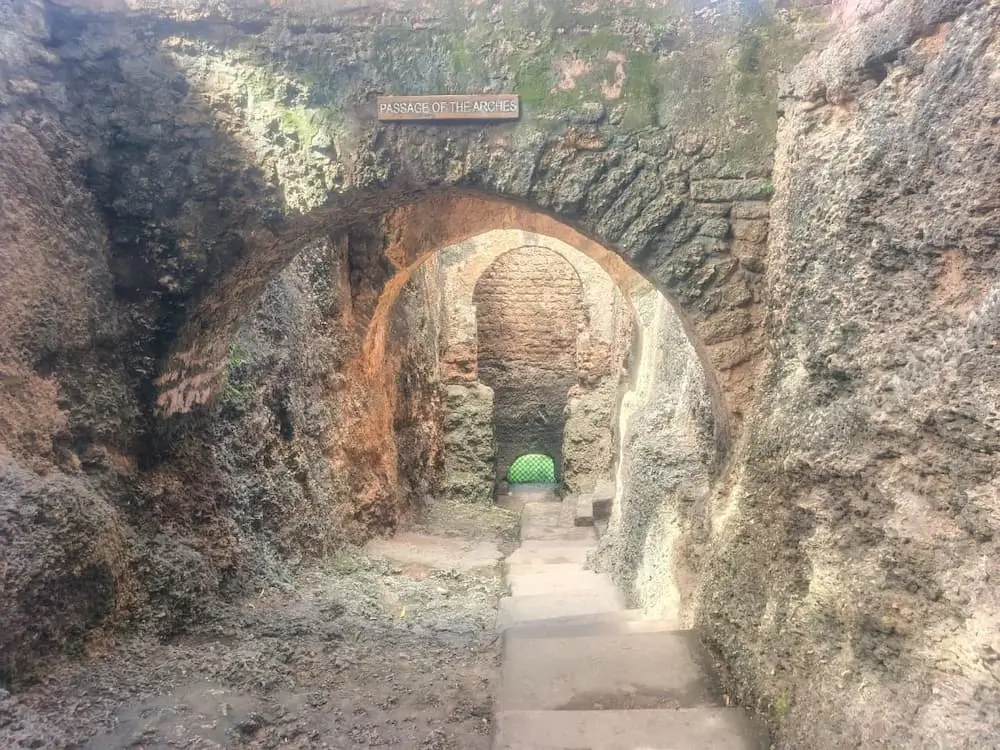
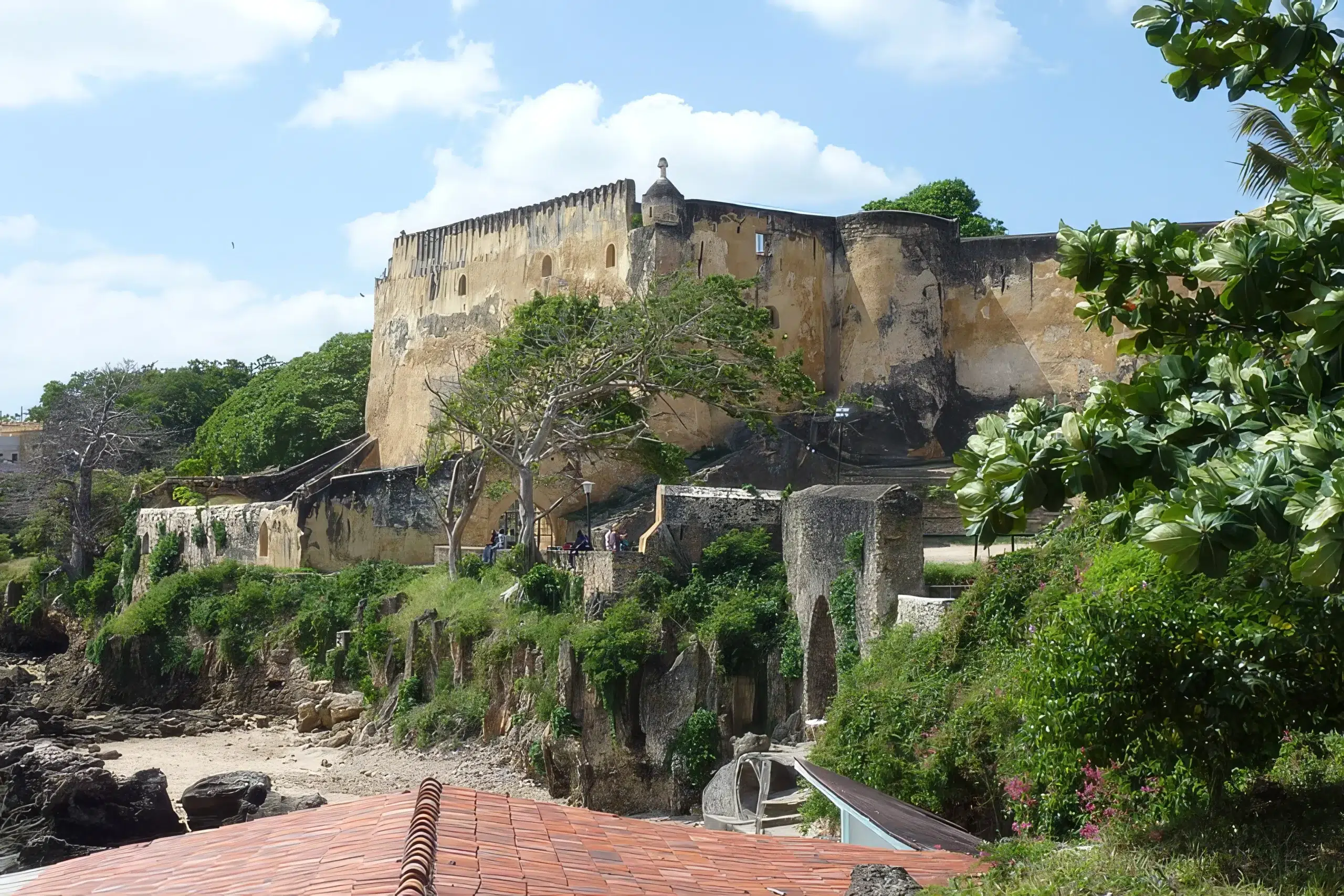
Designed by Italian architect Giovanni Battista Cairati in the shape of a man, Fort Jesus was commissioned by Portuguese King Philip I of Portugal in 1593 to guard the strategic Mombasa harbor and the Indian Ocean spice routes. Built from coral stone and lime, its 2.4m-thick walls bristle with cannon embrasures and bastions named after the four limbs of Christ. Over four turbulent centuries, the fort changed hands at least nine times: Portuguese, Omani Arab, Mazrui, Zanzibari, and British in turn. The 33-month Omani siege of 1696–1698 starved out the Portuguese garrison and shifted control of the entire East African coast. Today Fort Jesus is a museum administered by the National Museums of Kenya. Inside the walls you can climb to the cannon platforms for sweeping views over Mombasa Harbor, explore an excellent museum of Swahili, Portuguese, and Omani artifacts, and walk down to the natural rock pool where Captain Goa’s ship was wrecked. Listed by UNESCO in 2011 as ‘one of the most outstanding and well-preserved examples of 16th-century Portuguese military fortification,’ Fort Jesus is the essential first stop on any Mombasa heritage tour. The fort opens at 08:00; early arrivals enjoy soft morning light on the coral walls and cooler temperatures for the walk. Sound-and-light evening shows run on select dates.
One of the finest 16th-century Portuguese forts surviving anywhere.
Climb all four bastions for harbour panoramas.
Swahili, Portuguese, Omani and British artefacts.
Calligraphy from the 1698 conquest.
A visual journey through Fort Jesus, captured by local photographers.


USD 12 adult, USD 6 child non-resident; reduced for residents.
Daily 08:00–18:00.
Hat, water, comfortable shoes, camera, small bag.
Mind uneven stone steps; stay with your guide.
Fort Jesus is Mombasa’s most important historic landmark, a 16th-century Portuguese fortress built to protect the old harbor. Today it is a museum and UNESCO World Heritage Site, and the visit is mostly about history, architecture, and the layered story of the Kenyan coast.
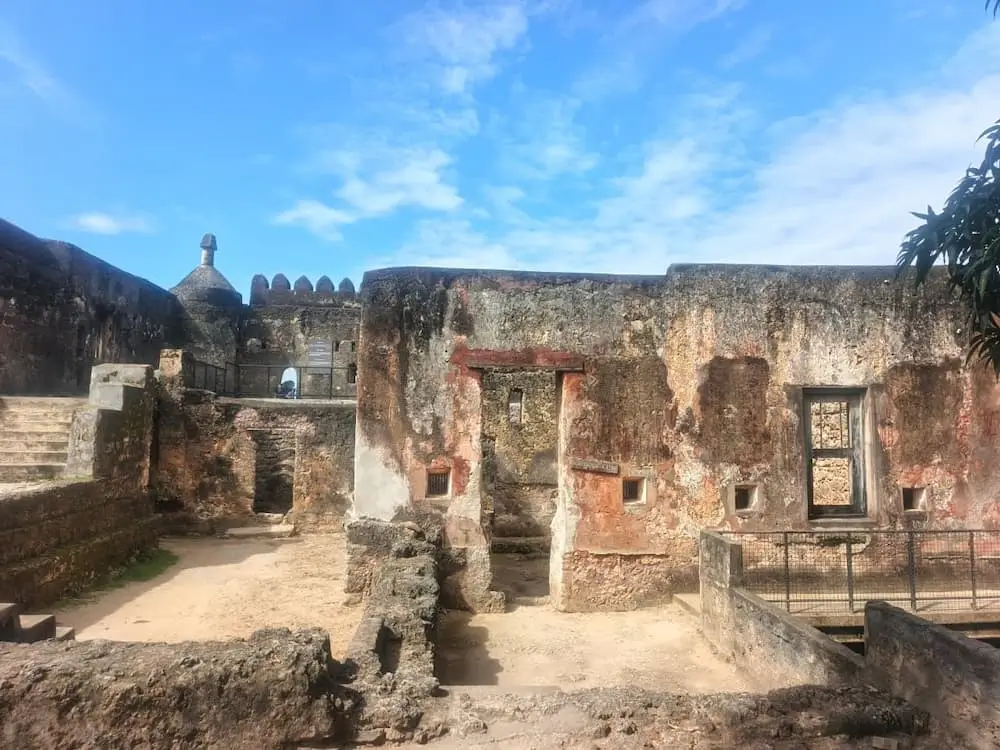
What you see: You walk through thick coral-stone walls, battlements, courtyards, and museum exhibits inside the fort. The site also has traces of the different powers that controlled it over time, including Portuguese, Omani, and British influence. The old stonework, cannon positions, and harbor views are a big part of the experience.
Visitor experience: A visit usually feels like a mix of museum tour and historical walk. Some people go with a guide to get more context, because the site has a lot of history packed into one place. The National Museums of Kenya also notes that there are art exhibitions and a weekly sound-and-light show.
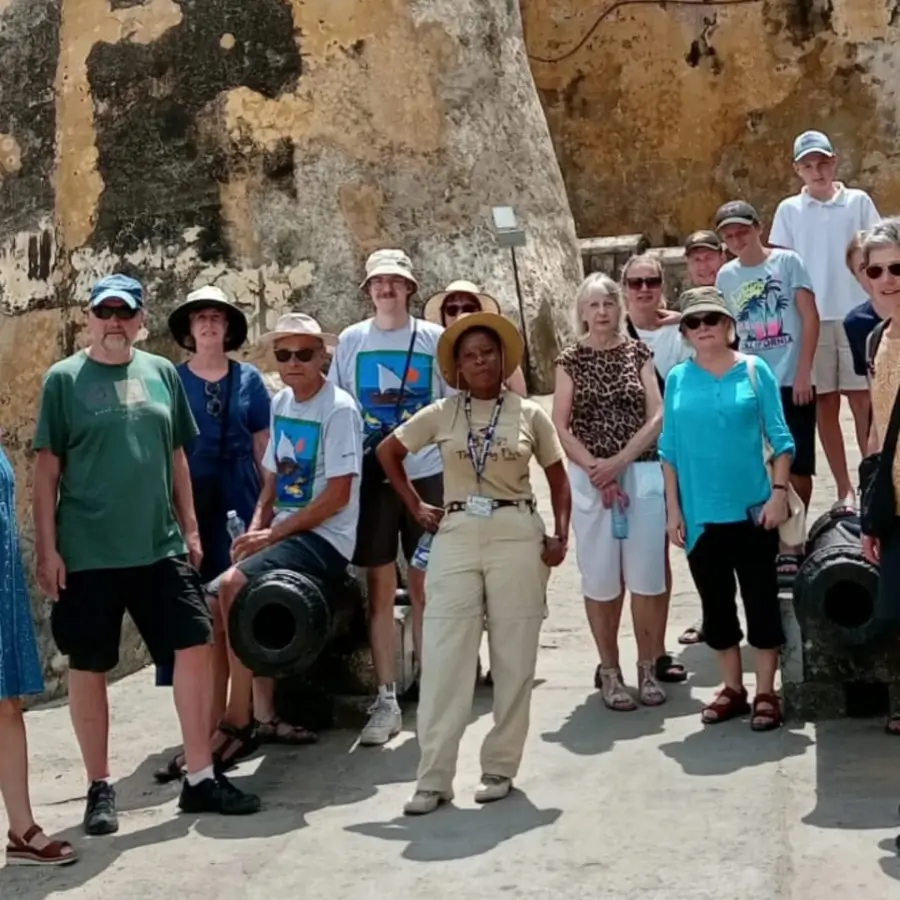
Our guides are born and raised on the coast, with deep knowledge of every hidden gem and untold story.
Every tour is tailored to your interests, pace, and travel style no shortcut experiences.
Seamless door-to-door service from your hotel or Moi International Airport to every destination.
Enjoy exclusive private tours for couples, families, or small groups seeking intimacy and flexibility.
Communicate comfortably in English, Swahili, French, German, or Italian with our friendly guides.
From affordable group tours to premium private experiences we cater to every budget and preference.
Safe, engaging, and educational tours designed for travelers of all ages, including young children.
Instant responses, real-time updates, and 24/7 support via WhatsApp for peace of mind.
Our local experts will craft a private itinerary around your dates, group size and pace. Same-day responses, transparent pricing, zero pressure.