Mombasa’s vast central produce and spice market chaotic, fragrant, unforgettable
Marikiti is Mombasa’s biggest open-air market: a sensory carnival of mangoes, coconuts, pilau spices, fresh fish and fabrics piled high inside a 1929 Italian-built market hall.
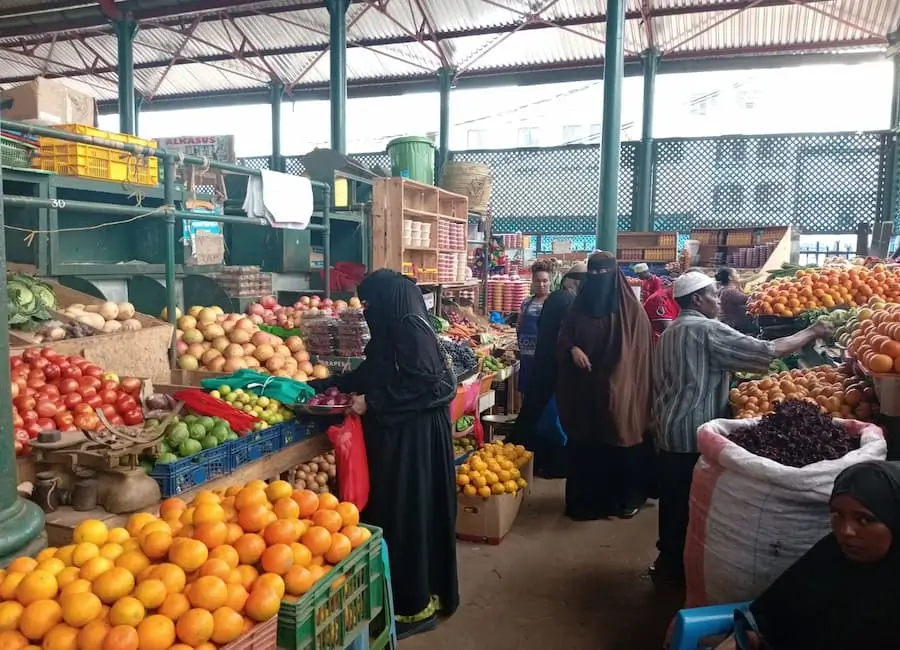
Built in 1929 during the British colonial period, Marikiti (a Swahili rendering of ‘market’) is Mombasa’s central produce, spice, and fabric market, a labyrinth of stalls under cast-iron arches, spilling out into the surrounding streets. It supplies most of the city’s restaurants, households, and dhow trade. Inside, mountains of mangoes, papayas, and pineapples sit beside sacks of pilau and biryani spice mixes. Fresh fish, red snapper, parrotfish, and prawns arrive directly from the morning’s catch at the Old Port. Coconut sellers strip green husks with machetes for fresh juice on the spot. Beyond food, Marikiti is one of East Africa’s best places to buy kanga and kitenge fabrics, the brightly printed wraps that double as Swahili gifts and political proverbs. Spice merchants will mix custom pilau, biryani, or curry blends in front of you for export. A guided visit is strongly recommended: a Skynile cultural guide will negotiate prices, explain unfamiliar produce (jackfruit, soursop, and custard apple), and steer you to vendors known for quality. Plan an early morning visit for the best produce and coolest temperatures. Marikiti is a working market, not a tourist trap. Prices are local, the atmosphere is loud and alive, and a 60-minute walk-through is one of the most authentic experiences in Mombasa.
Historic cast-iron colonial market structure.
Custom-mixed pilau and biryani blends.
Jackfruit, soursop, custard apple and dozens of mango varieties.
Real, working market — no tourist mark-ups.
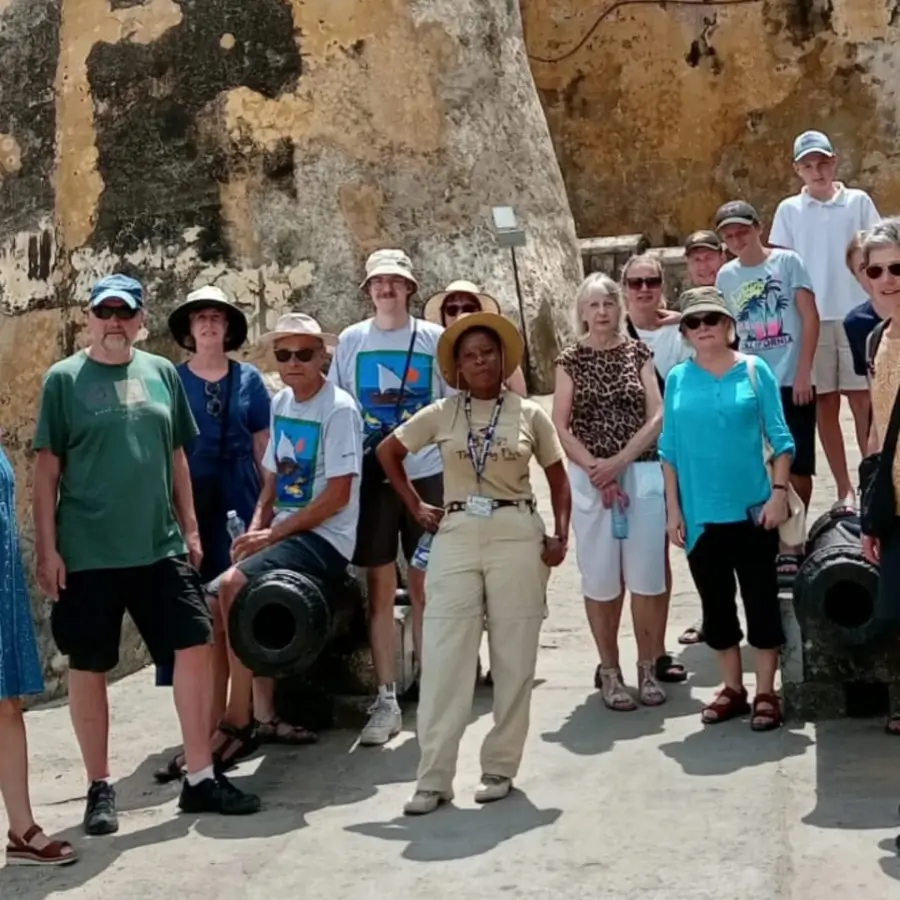
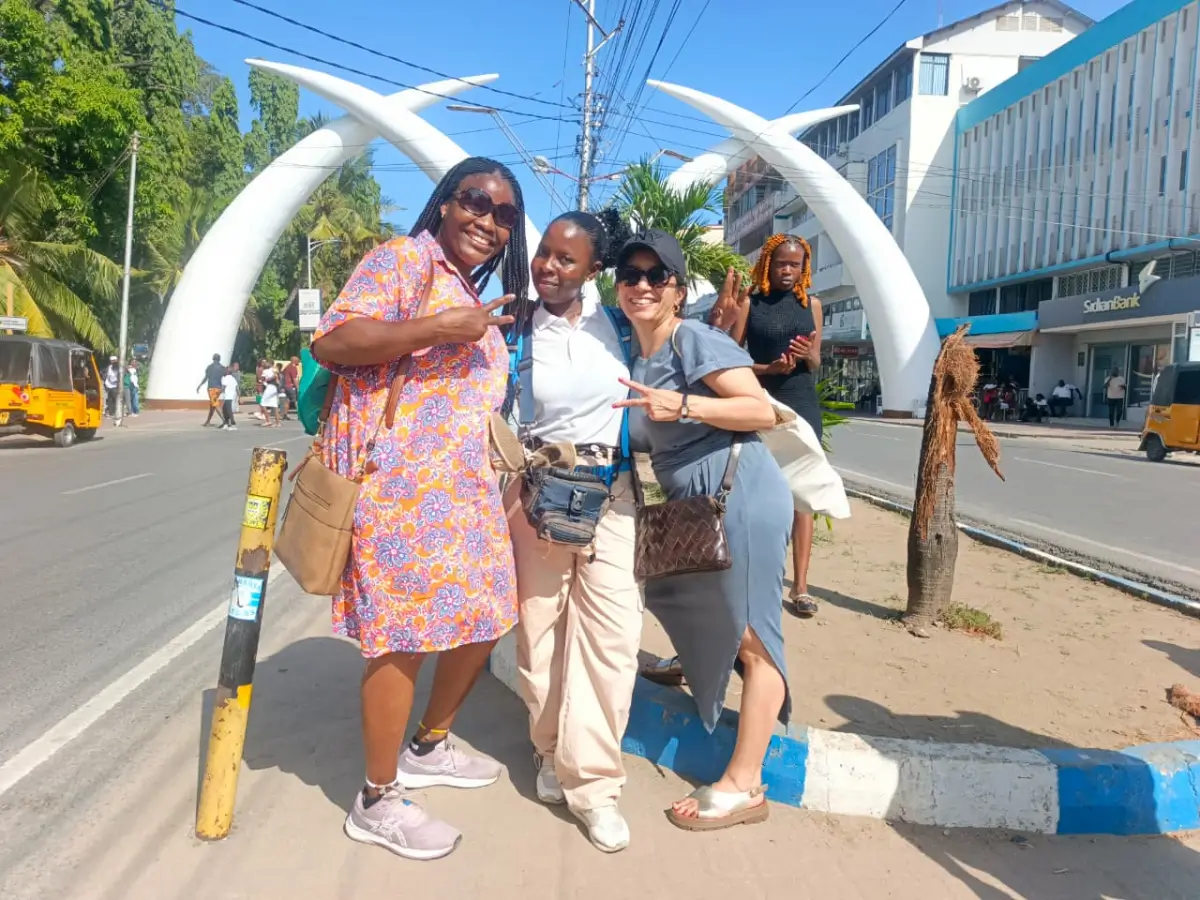
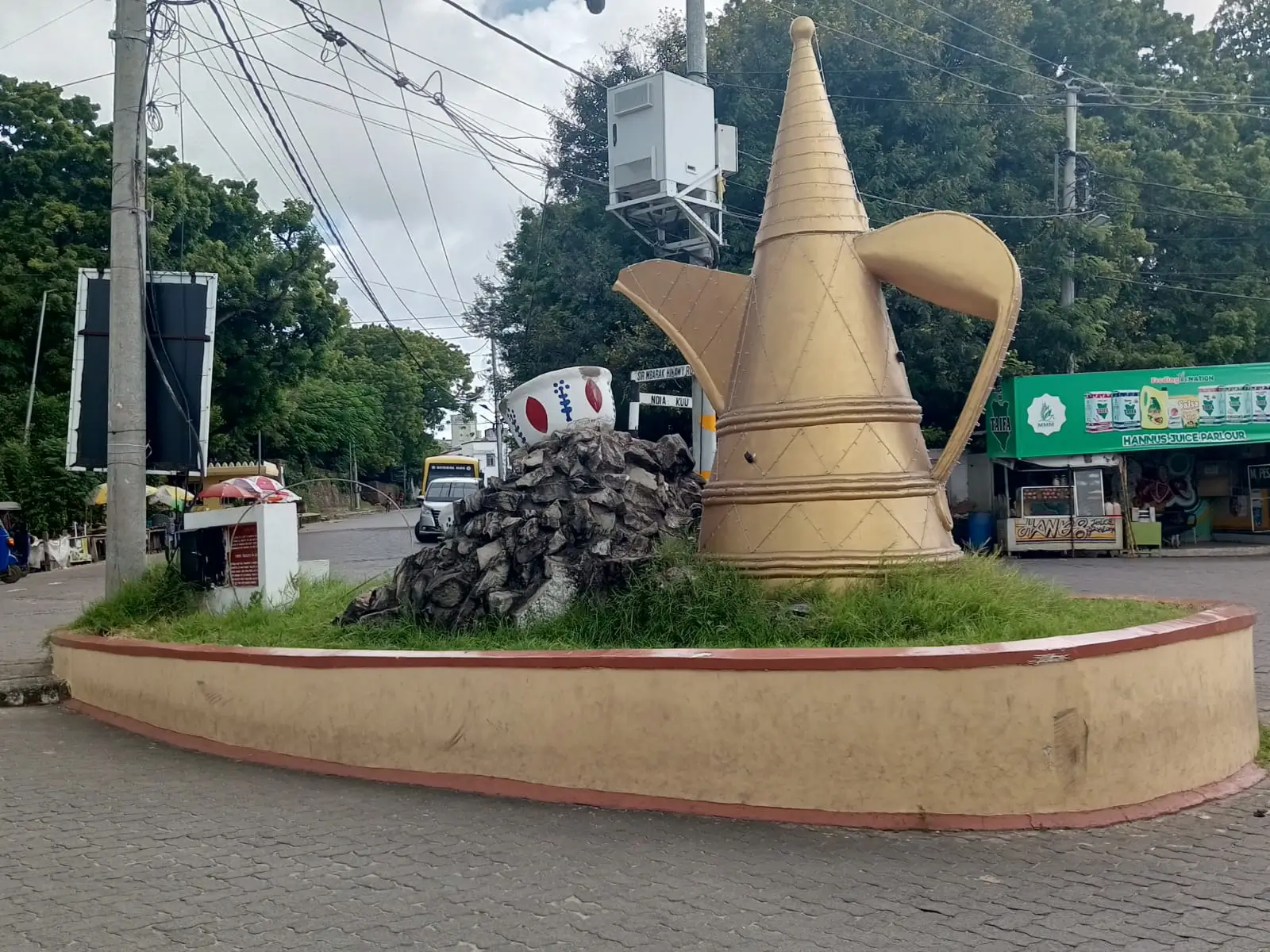
A visual journey through Marcknon Market (Marikiti), captured by local photographers.


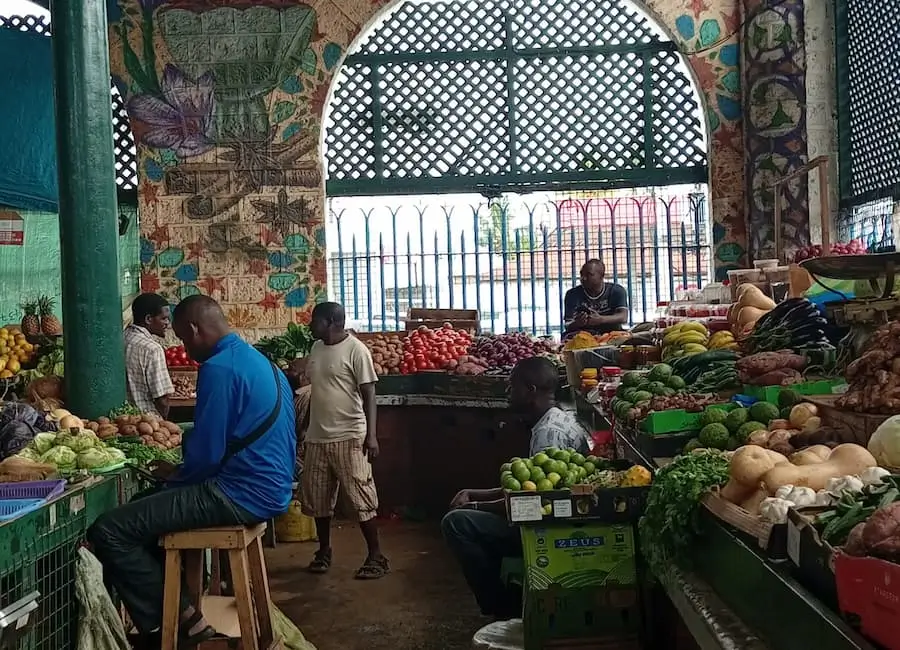
Free entry; Skynile cultural guide from USD 15.
06:00–18:00 (busiest 08:00–11:00).
Cash in small Kenyan-shilling notes, water, hat, reusable bag.
Use a known guide, watch belongings, and avoid visible valuables.
The market is known for fresh produce, spices, herbs, fruits, clothes, and general household goods, so the experience is a mix of shopping and people-watching. A lot of visitors describe it as chaotic but interesting, with traders, trolleys, and narrow aisles creating a very active atmosphere. If you go looking for a polished tourist site, this probably won’t be it. But if you want something real, it has that in abundance.
What stands out
Spice stalls and coastal ingredients are a major draw.
The market has a strong sense of local trade and everyday Mombasa life.
It can feel crowded and noisy, which is a downside for some people but also part of the character.
Many traders are experienced, and the market has a long-standing reputation in the city.
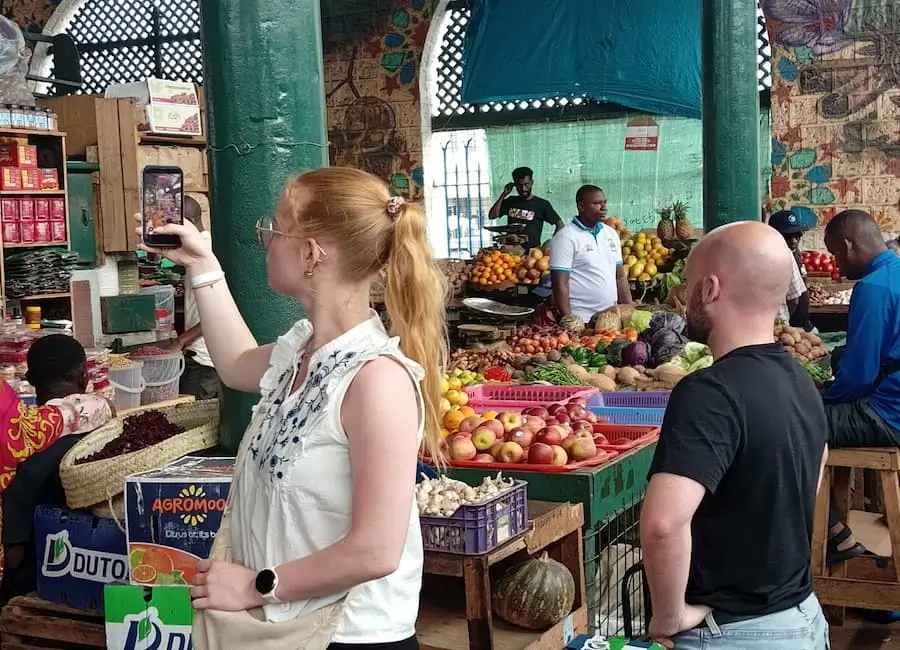
Our guides are born and raised on the coast, with deep knowledge of every hidden gem and untold story.
Every tour is tailored to your interests, pace, and travel style no shortcut experiences.
Seamless door-to-door service from your hotel or Moi International Airport to every destination.
Enjoy exclusive private tours for couples, families, or small groups seeking intimacy and flexibility.
Communicate comfortably in English, Swahili, French, German, or Italian with our friendly guides.
From affordable group tours to premium private experiences we cater to every budget and preference.
Safe, engaging, and educational tours designed for travelers of all ages, including young children.
Instant responses, real-time updates, and 24/7 support via WhatsApp for peace of mind.
Our local experts will craft a private itinerary around your dates, group size and pace. Same-day responses, transparent pricing, zero pressure.